





Serene early morning mountain landscape with soft golden light casting long shadows across a misty valley, evoking calm and clarity
Editorial Resource

Factors Influencing Male Vitality and Well-being

A structured overview of the contexts, routines, and concepts that shape male well-being across different dimensions of everyday life.

Explore Insights

Understanding the Broader Context

Male vitality is not a single variable. It is the product of many overlapping factors: daily habits, the physical environment, rest patterns, historical frameworks, and the cultural narratives that shape how men understand their own well-being.

This resource is designed to provide structured, neutral information on these factors. The goal is to make the topic more understandable rather than to prescribe any particular course of action. Each article approaches the subject from a distinct angle, together forming a more complete picture.

About This Resource
Close-up of an open notebook on a wooden desk beside a small potted plant and a ceramic cup, representing quiet focused reading in a calm environment

Key Dimensions Covered

The following dimensions provide the structural framework for this resource. Each represents a distinct area of inquiry explored in dedicated articles.

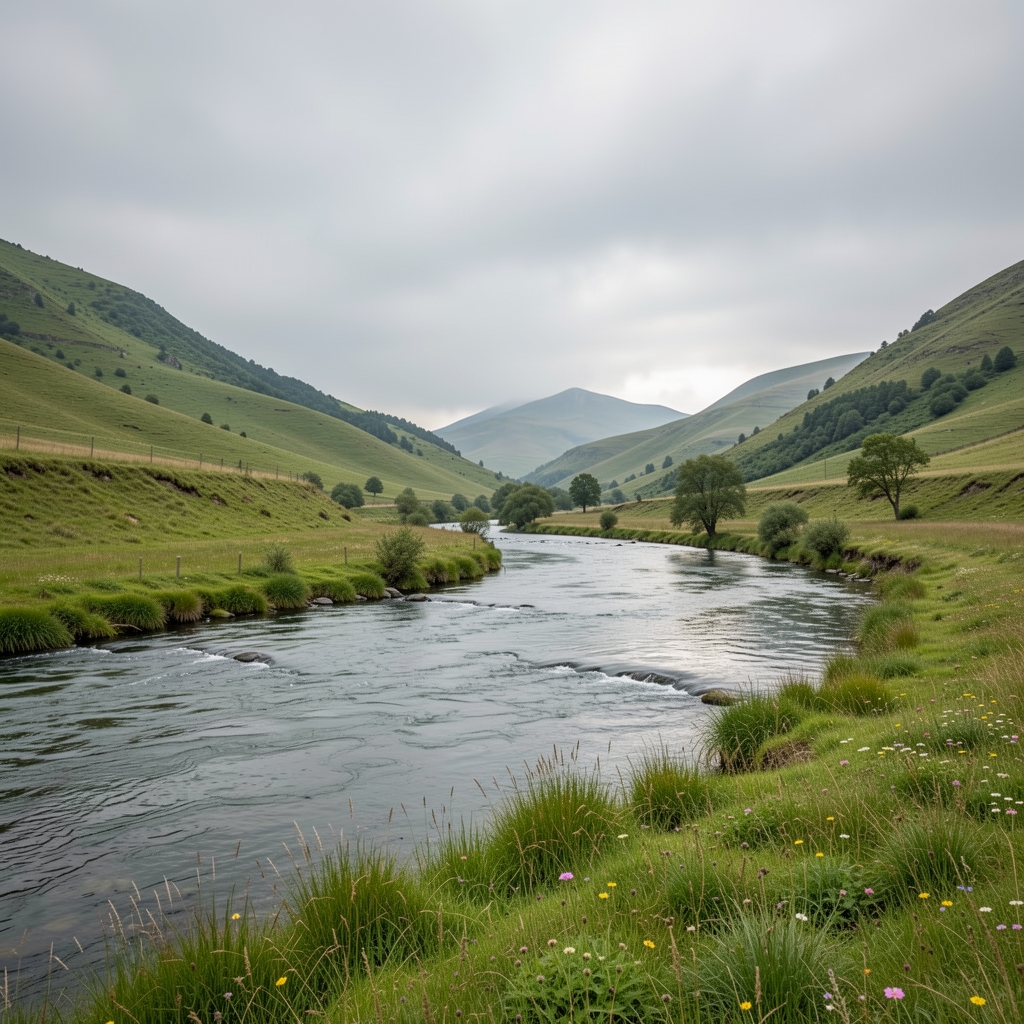
Wide view of a calm natural landscape with a flowing river, green hills, and overcast sky, symbolizing interconnected natural systems and balance

Lifestyle and Daily Routines

How everyday habits, physical activity patterns, and social engagement shape well-being over time.

Historical and Cultural Perspectives

An examination of how various societies across different eras have understood and approached male well-being.

Common Misconceptions

Clarification of widely held but inaccurate ideas about male health, grounded in neutral, evidence-informed explanations.

Dietary Factors and Nutrition

An overview of how nutritional choices and food group balance contribute to overall male vitality, without product framing.

Environmental Influences

How natural and built environments, including air quality and urban density, interact with male well-being outcomes.

Rest and Recovery

The role of sleep quality, restorative cycles, and relaxation in maintaining sustainable well-being over time.

Addressing Misconceptions

Physical activity is the primary driver

While movement is relevant, the current understanding points to an interplay of multiple factors — rest, environment, social connection, and nutritional balance all contribute alongside physical habits.

Age is the sole determinant

Age is one variable among many. Research suggests that habits and environmental conditions often have a more pronounced day-to-day influence than biological age alone.

Complexity signals a deficit

Variation in well-being is normal. The goal of this resource is to describe those variations, not to frame them as problems requiring resolution.

Read Full Article
Abstract photograph of light diffracting through a glass prism on a white surface, splitting into spectrum colors representing the clarification of complex ideas

Structured Knowledge

A selection of foundational terms used throughout this resource, defined in plain language for clarity.

Vitality
In this context, vitality refers to a general state of sustained physical and cognitive engagement, shaped by the interaction of multiple environmental and behavioral factors over time.
Well-being
A broad concept encompassing physical function, mental clarity, social engagement, and the sense of stability that results from balanced daily routines.
Lifestyle Factors
Observable, habitual behaviors such as movement patterns, sleep schedules, and dietary choices that collectively influence longer-term outcomes.
Environmental Load
The cumulative effect of external conditions — air quality, noise, access to green space — on physiological and cognitive states over time.
Recovery
The restorative process by which the body and mind return to a stable baseline following periods of exertion, stress, or stimulation.
Aged historical documents and handwritten manuscripts spread on a dark wooden table with a magnifying glass, evoking scholarly research and archival study

A Long History of Approaches

Interest in male well-being is not a modern phenomenon. Across centuries and cultures, communities have developed distinct frameworks for understanding the conditions that support male vitality.

From the structured regimens of ancient Mediterranean traditions to the holistic approaches of East Asian philosophical systems, the topic has been approached with great variety. These historical frameworks offer useful context for understanding present-day perspectives.

Explore Historical Views

Routines and Everyday Factors

Movement and Physical Engagement

Regular physical activity, whether structured or integrated into daily routines, is consistently noted as a key contextual factor across multiple research frameworks.

Social and Community Connection

Social engagement, a sense of belonging, and stable interpersonal relationships are broadly recognized as significant contributors to sustained well-being.

Structured Rest

The quality and consistency of rest periods, particularly overnight sleep, play a central role in the body's capacity to maintain stable function across daily cycles.

Read More
A person in casual clothing walking along a quiet tree-lined path in a park during early morning, surrounded by dappled light through leaves
Aerial view of a dense green forest canopy from above, with mist drifting between the trees, conveying the quiet power of the natural environment

Understanding Environmental Influences

The external environment — from air quality to the availability of natural spaces — has a measurable relationship with well-being outcomes. This dimension is increasingly recognized as a relevant structural factor, distinct from individual behavior.

Explore This Topic

Frequently Asked Questions

  • What does this resource cover?

    This site provides structured, neutral information on the factors associated with male vitality and well-being. Content covers lifestyle, environment, history, nutrition, rest, and common misconceptions.

  • Is this content targeted at a specific age group?

    The content is broadly informational and not targeted at any specific age group. The factors discussed are relevant across adult life and are presented without demographic framing.

  • Are the articles based on a specific framework?

    Articles draw on a range of documented perspectives, including historical, nutritional, and environmental approaches. No single framework is promoted as authoritative.

  • How is this resource maintained?

    Content is reviewed periodically for accuracy and editorial consistency. The methodology behind content selection is described on the About page.

General Correspondence

For general questions about the resource, editorial inquiries, or content feedback, the contact page is available.

This is an editorial resource

Plenium does not offer services, products, or individualized guidance. All content is informational and presented for general understanding.

Go to Contacts
Tranquil Japanese garden scene with a stone path, moss-covered rocks, a small pond with lily pads, and soft filtered sunlight through bamboo, conveying peace and contemplation

A Resource for Thoughtful Reading

Browse the full range of articles across all six topic areas, each structured for clarity and depth.

View All Insights